
Article Summary
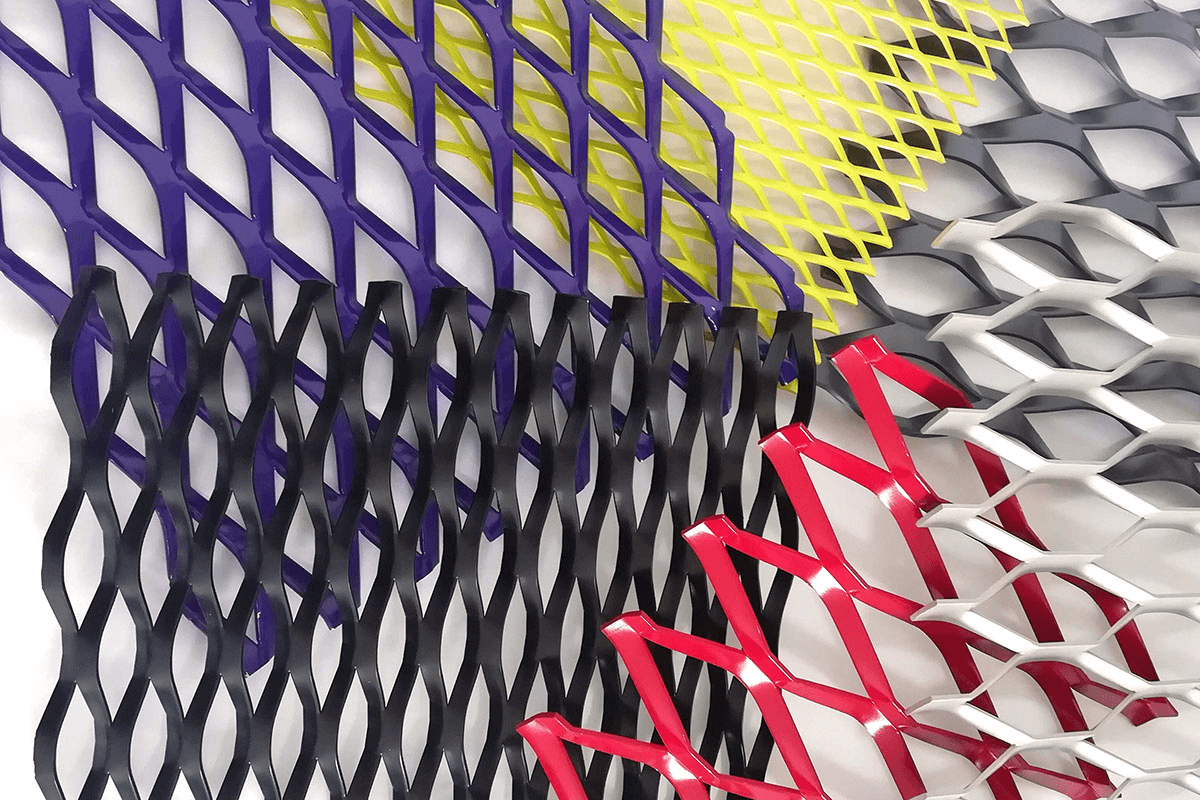
A diamond mesh sheet, also called expanded metal mesh, is produced by slitting and stretching a solid metal sheet to create uniform diamond-shaped openings. Its continuous structure provides strength, ventilation and visibility without requiring welded or woven joints.
Diamond mesh sheets are available in stainless steel, carbon steel, galvanized steel, aluminum, copper and brass. They are widely used for machine guards, fences, walkways, wall cladding, ventilation panels and decorative grilles. This guide explains the materials, specifications and selection factors buyers should consider before ordering.
What Is a Diamond Mesh Sheet?
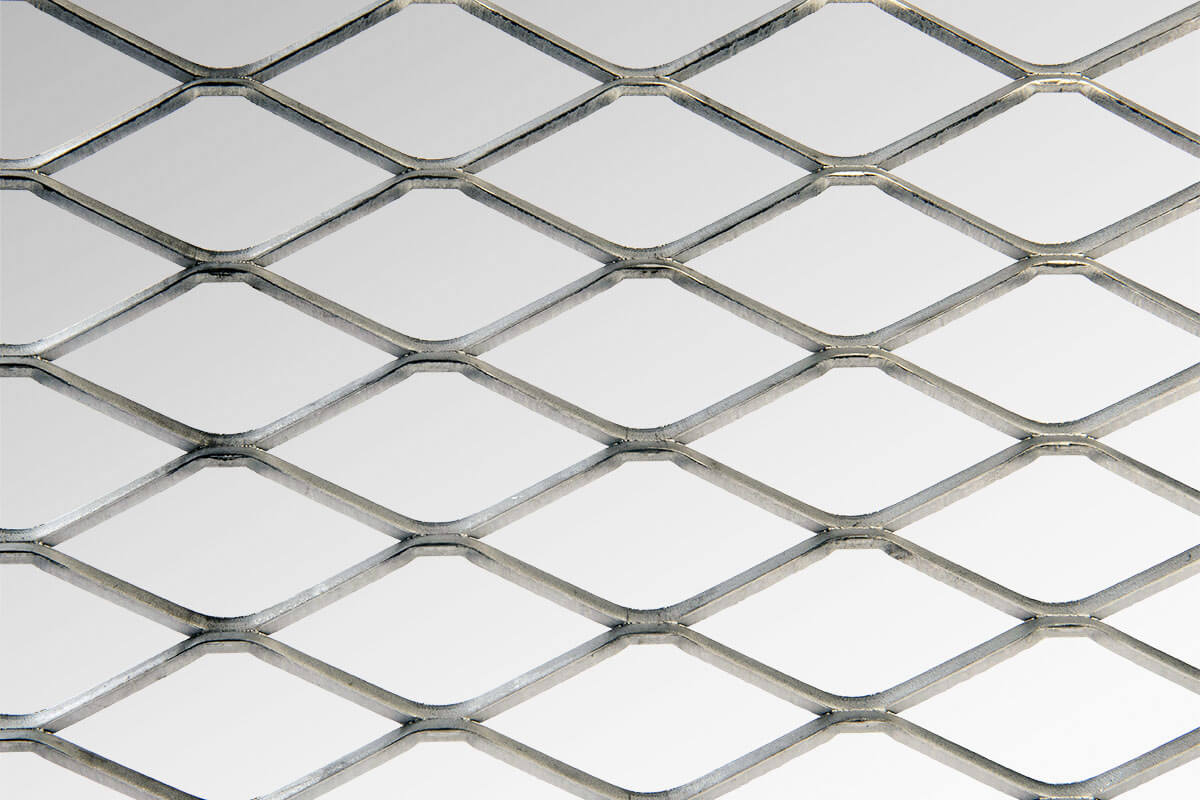
A diamond mesh sheet is manufactured from a solid sheet or plate. During production, the metal is cut with staggered slits and stretched to form a regular diamond pattern. The remaining metal sections become strands, while the intersections are called bonds.
Because the strands and bonds remain connected, the finished mesh forms a one-piece structure without welding separate wires. The angled strands improve rigidity, while the openings allow air, light, water and sound to pass through.
Depending on the material, thickness and opening size, diamond mesh can be made into lightweight decorative panels or heavy-duty industrial flooring. Buyers can view HIGHTOP’s metal diamond mesh sheet options for different materials, patterns and applications.
Main Advantages of Diamond Mesh Sheets
High Strength and Structural Stability
The diamond-shaped openings distribute force through interconnected strands and bonds. This gives expanded metal good rigidity relative to its weight.
Strength depends on the base material, sheet thickness, strand width, opening dimensions and supporting structure. Thicker sheets and wider strands generally provide greater load capacity but also increase weight and reduce open area.
One-Piece Construction
Unlike woven wire mesh, diamond mesh does not contain wires that can move at their intersections. It also normally has no welded joints that may separate. This continuous construction makes it suitable for guards, partitions, enclosures and panels requiring stable openings.
Ventilation and Visibility
The open structure allows airflow and light transmission while maintaining a protective barrier. This is useful for machine guards, ventilation covers, speaker grilles and architectural screens.
Larger openings provide better airflow and visibility. Smaller openings offer more screening and can prevent larger objects from passing through.
Efficient Material Use
Expanded metal is stretched rather than produced by punching out and discarding individual openings. The process therefore uses the original sheet efficiently and generates less production scrap than many perforating methods.
Materials Available for Diamond Mesh Sheets
Stainless Steel
Stainless steel diamond mesh provides excellent corrosion resistance, strength and durability. Grade 304 is suitable for many indoor and general outdoor applications, while grade 316 is preferred for coastal, humid or chemically demanding environments.
Although stainless steel costs more than untreated carbon steel, its long service life and lower maintenance requirements can reduce long-term replacement expenses.
Carbon and Galvanized Steel
Carbon steel is strong, economical and widely used for machine guards, partitions, platforms and industrial enclosures. Because untreated carbon steel can rust, it may require painting, powder coating or galvanizing.
Galvanized steel has a protective zinc coating that improves outdoor corrosion resistance. It is commonly used for fences, agricultural equipment, access platforms and external guards.
Aluminum
Aluminum diamond mesh is lightweight, corrosion-resistant and easy to fabricate. Its low weight simplifies transportation and installation, especially for ceilings, wall cladding, ventilation panels and vehicle grilles.
Aluminum can be anodized, powder-coated or PVDF-coated to provide different colors and additional surface protection.
Copper and Brass
Copper and brass are primarily selected for decorative applications. Their warm metallic colors are suitable for interior partitions, ceiling features, retail displays, cabinet inserts and architectural panels.
Both metals can develop a natural patina. Buyers should decide whether this changing appearance is desirable or whether a protective finish is needed to preserve the original color.
Essential Specifications Buyers Should Confirm
Ordering only by the term “diamond mesh sheet” can result in incorrect pricing or unsuitable products. A complete specification should include the following details:
- Material and material grade
- Sheet thickness
- Strand width
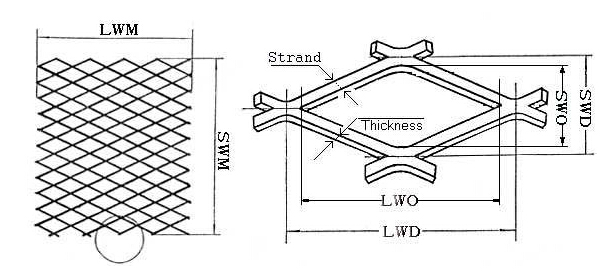
- Short way of diamond or SWD
- Long way of diamond or LWD
- Raised or flattened construction
- Sheet length and width
- Diamond orientation
- Open-area requirement
- Surface treatment
- Quantity and packaging method
Raised expanded metal retains the three-dimensional profile formed during expansion. Its angled surface offers good rigidity and can improve grip, making it suitable for walkways and platforms.
Flattened mesh is passed through rollers to create a smoother and lower-profile surface. It is often selected for decorative panels, filters, grilles and components that need to fit closely into a frame.
Terminology and measuring methods can differ between suppliers. Buyers should provide a drawing or confirm how the openings and strands are measured before mass production.
Common Applications
Machine Guards and Enclosures
Diamond mesh protects machinery while maintaining airflow and visibility. It allows operators to inspect equipment without completely exposing moving parts. Opening size, guard distance and frame design should comply with the safety requirements of the installation.
Fences and Partitions
The stable one-piece structure is suitable for security fencing, warehouse partitions, storage cages and equipment enclosures. Panels can be cut, framed or reinforced according to the required dimensions.
Flooring and Walkways
Heavy-duty raised diamond mesh is used for industrial flooring, stair treads, platforms and access walkways. Its openings allow water and debris to pass through, while the raised strands provide grip.
For load-bearing applications, buyers must confirm load requirements, support spacing, deflection limits and installation methods rather than selecting the mesh by opening size alone.
Wall Cladding and Decorative Screens
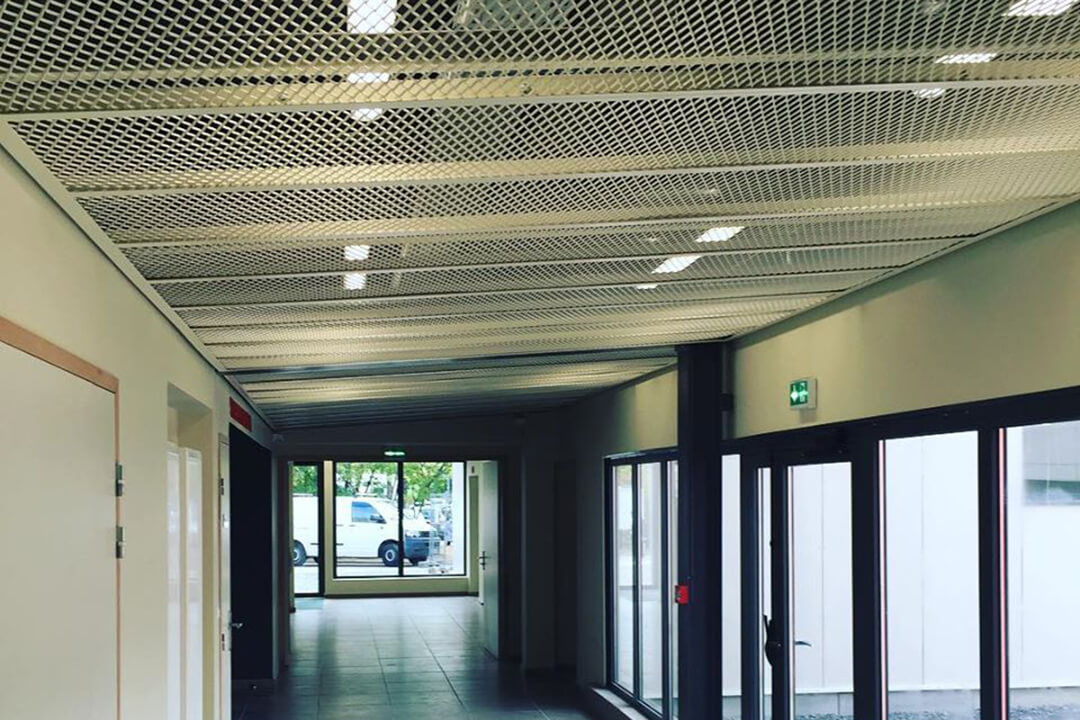
Architects use diamond mesh for facades, sunshades, ceilings, partitions and wall panels. Changing the opening size, material, color or diamond orientation can create different levels of transparency and visual depth.
Aluminum and stainless steel are common for modern buildings, while copper and brass provide a warmer decorative appearance.
Grilles and Ventilation Panels
Diamond mesh is also used for radiator guards, HVAC covers, vehicle grilles, speaker grilles and cabinet ventilation. Flattened mesh is often preferred when a smooth surface and low profile are important.
How to Choose the Right Diamond Mesh Sheet
Start with the application and installation environment. Outdoor, coastal or humid projects may require stainless steel, galvanized steel or coated aluminum. Indoor industrial guards may use painted or powder-coated carbon steel.
Next, determine the required balance between strength and open area. A smaller opening, wider strand or thicker sheet can provide greater protection and rigidity, while a larger opening may improve airflow, visibility and light transmission.
Architectural buyers should also confirm color, pattern orientation, sheet flatness and alignment between adjacent panels. Industrial buyers should prioritize strength, operating conditions, fabrication requirements and maintenance.
If the mesh must be cut, bent, welded or installed inside a frame, these requirements should be included in the original inquiry.
Why Choose HIGHTOP Diamond Mesh Sheets?
HIGHTOP supplies diamond metal mesh sheets in stainless steel, carbon steel, galvanized steel, aluminum, copper and brass. Opening dimensions, strand width, thickness, sheet size and surface treatment can be adjusted for different architectural and industrial applications.
The HIGHTOP team can assist with material selection, specification confirmation and secondary fabrication. Production inspection covers material, mesh dimensions, surface condition and order consistency. Export packaging can also be arranged to reduce scratching, moisture exposure and deformation during transportation.
Frequently Asked Questions
Is Diamond Mesh Sheet the Same as Expanded Metal?
Diamond mesh sheet generally refers to expanded metal with diamond-shaped openings. Expanded metal can also be produced in other patterns, but the diamond pattern is the most common.
Which Material Is Best for Outdoor Applications?
Stainless steel, galvanized steel and coated aluminum are common choices. The best material depends on moisture, salt exposure, appearance, maintenance requirements and budget.
What Is the Difference Between Raised and Flattened Mesh?
Raised mesh retains angled strands and a three-dimensional surface. Flattened mesh is rolled after expansion to produce a smoother and thinner profile.
Can Diamond Mesh Be Used for Flooring?
Yes, but the sheet thickness, strand width, support spacing and load capacity must be evaluated for the specific platform or walkway.
Can HIGHTOP Produce Custom Panel Sizes?
Yes. HIGHTOP can supply customized openings, sheet dimensions, materials and finishes. Drawings or samples are recommended for projects requiring precise sizes or visual consistency.
Conclusion
A diamond mesh sheet combines strength, ventilation, visibility and efficient material use in one continuous structure. Its performance depends on selecting the correct material, opening dimensions, strand width, thickness and surface finish.
For an accurate quotation, send HIGHTOP your application, drawings, required dimensions, quantity and operating environment. The technical team can help identify a practical diamond mesh specification for your project.
Get in Touch
Please Email us via the contact form below, we will get back to you ASAP.