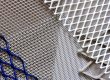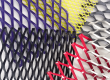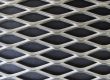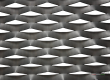
If you think expanded metal mesh is just for factory floors and industrial walkways, think again.
Walk through any major city today, and you’ll see it everywhere—wrapping the facades of luxury hotels, floating as ceiling panels in airport terminals, dividing open-plan offices with elegance, and even shaping the identity of landmark buildings. What was once a purely functional industrial material has quietly become one of architecture’s most sought-after design elements.
Decorative expanded metal mesh is no longer just about strength. It’s about statement.
In 2025, China’s metal decorative mesh market surpassed RMB 8.5 billion, growing at a compound annual rate of 9.3%, with expanded metal mesh products accounting for over 40% of that total. Globally, the market for decorative architectural expanded mesh is projected to grow at a CAGR of 6.4% through 2030, driven by the growth of green buildings and energy-efficient architectural elements.
In the building facade sector alone, expanded metal mesh penetration increased from 12% in 2020 to 23% in 2025, with forecasts predicting it will exceed 27% in 2026.
So what’s driving this transformation? And why should architects, designers, and specifiers pay attention?
Let’s break it down.
Why Expanded Metal Mesh Is Becoming the Designer’s New Favorite
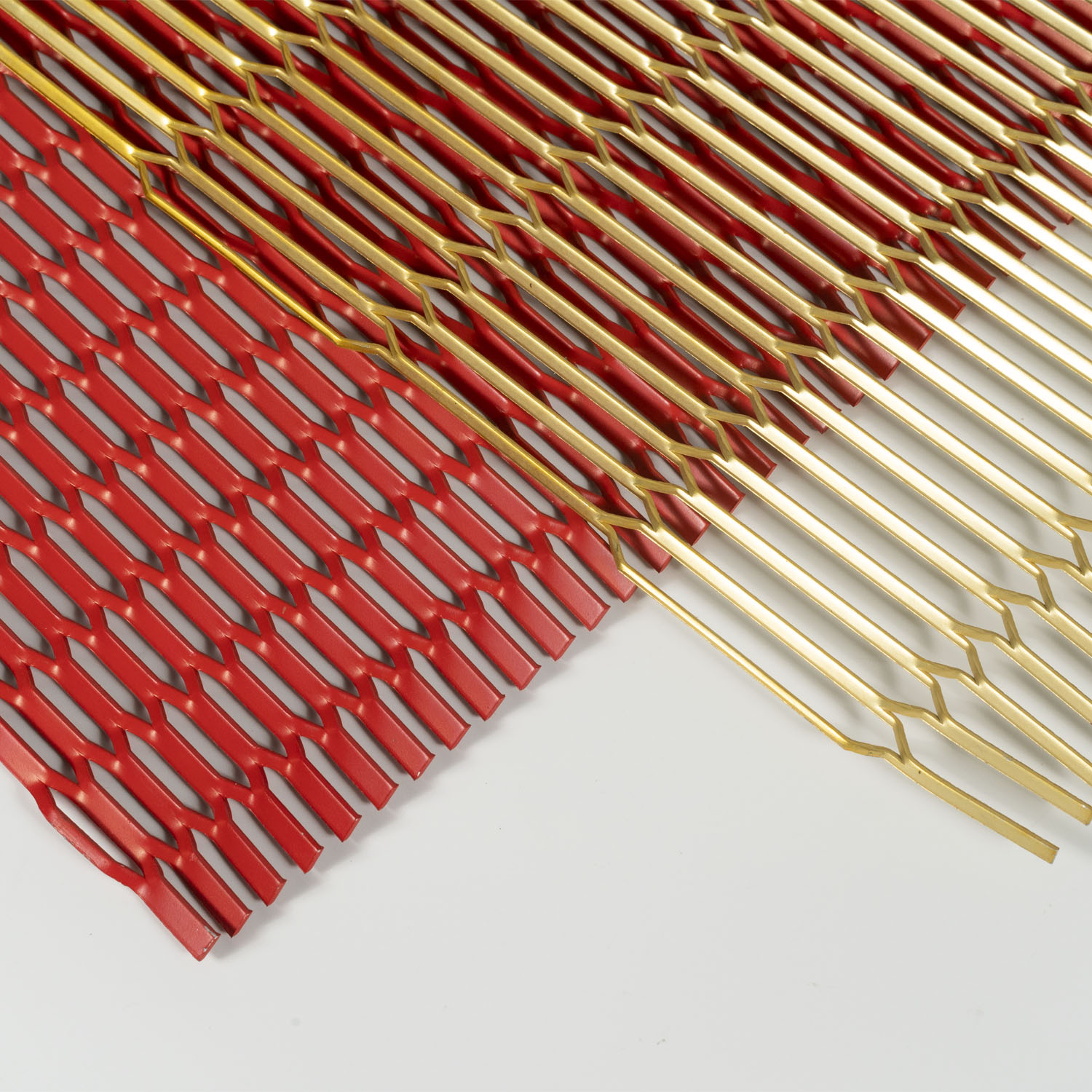
Expanded metal mesh starts as a solid sheet of metal—steel, stainless steel, aluminum, copper, or titanium. Through a slitting and stretching process, it becomes a continuous mesh with diamond-shaped or hexagonal openings.
Unlike woven wire mesh or perforated metal, expanded mesh has no welded joints. Every strand remains continuous, giving the material excellent strength and rigidity.
This manufacturing process delivers a combination of properties that few other building materials can match.
Strength Without Weight
The stretching process work-hardens the metal, making it stronger than the original sheet while reducing weight.
Expanded mesh can deliver tensile strength of 370 MPa or higher, making it suitable for both structural and decorative applications.
Light and Air Without Blocking
With open areas ranging from 30% to 70%, expanded mesh allows natural light and ventilation to pass through while still providing shade, privacy, and visual interest.
This makes it particularly useful for building facades, screens, partitions, and other architectural applications where airflow and visual transparency are important.
Fire Safety
Metal expanded mesh achieves A-grade fire resistance, making it suitable for applications where fire performance is an important consideration, including public buildings and high-rise construction.
Design Flexibility
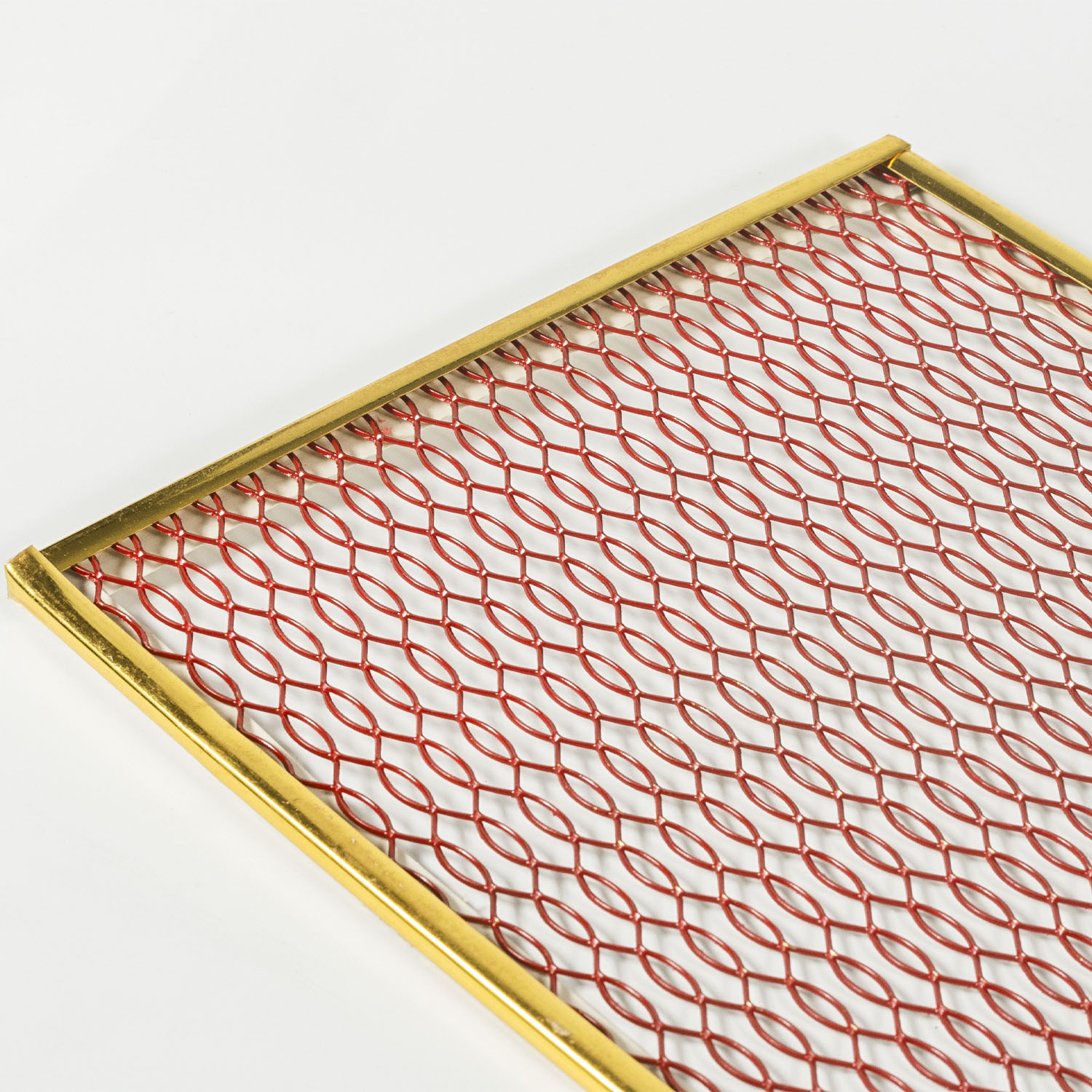
From classic diamond patterns to custom hexagonal or organic shapes, expanded metal mesh can be fabricated into a wide variety of patterns, curves, and forms.
This flexibility allows architects and designers to use the same basic material for both functional and highly decorative applications.
Long-Term Durability
With appropriate surface treatment—including hot-dip galvanizing, powder coating, PVDF fluorocarbon coating, or anodizing—expanded mesh can withstand 10 to 20 years of outdoor exposure without significant degradation.
As a result, decorative expanded metal mesh has moved far beyond its traditional industrial applications and become increasingly valued for its combination of structural strength, aesthetic diversity, and functional performance.
How Decorative Expanded Metal Mesh Is Changing the Face of Architecture
The applications of decorative expanded metal mesh are now much broader than many people realize.
Building Facades and Curtain Walls
Building facades and curtain walls represent one of the most important applications of decorative expanded metal mesh, accounting for about 45% of applications.
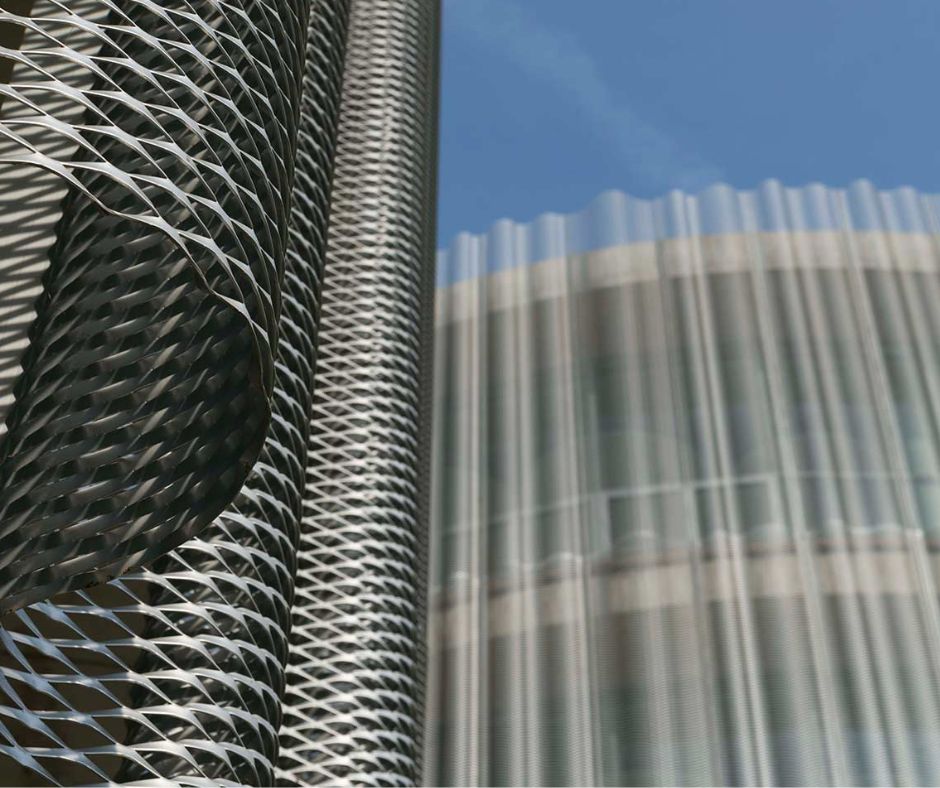
Architects often use expanded mesh as a second skin for buildings. This additional layer wraps the structure with pattern and texture while helping manage light, heat, and visibility.
The open mesh creates dynamic visual effects that change with the angle of sunlight throughout the day.
In some projects, designers use graduated aperture patterns, where mesh openings gradually change size across the facade. This approach can help regulate interior daylight while creating a distinctive visual rhythm.
One example is the Dubai “Desert Crown” commercial complex, which uses a double-layer expanded metal mesh structure. The outer layer is designed for sand filtration, while the inner layer incorporates decorative cut-out patterns.
According to the project description, this design achieves 40% natural ventilation while reducing sandstorm intrusion by 80%.
Interior Design and Commercial Spaces
Inside buildings, expanded metal mesh has become a popular material for creating open, airy spaces without sacrificing spatial definition.
Common applications include:
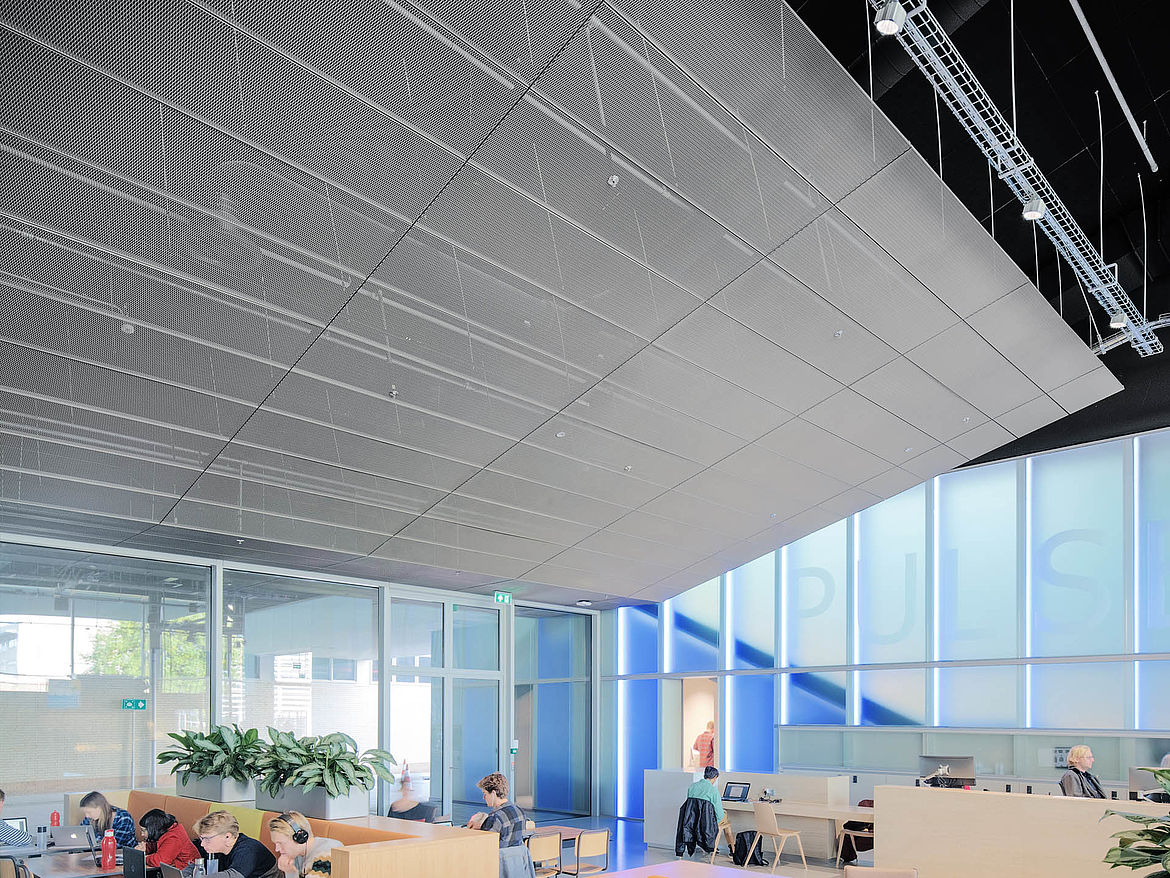
- Ceiling panels in hotels, railway stations, and convention halls
- Room dividers that maintain visual connectivity
- Staircase balustrades
- Feature walls
- Decorative screens
- Lighting fixtures
Three characteristics make expanded mesh particularly attractive for interior applications:
Transparency: The mesh allows light to pass through, helping spaces feel larger and more open.
Texture: Its three-dimensional surface adds depth and visual interest that flat materials cannot easily achieve.
Customization: Powder coating and anodizing allow expanded mesh to match a wide range of architectural color schemes.
Landscape Architecture and Public Art
Expanded metal mesh is also appearing in parks, plazas, and public installations.
Its flexibility allows designers to create curved and organic forms that add a modern character to urban landscapes.
Applications include:
- Garden screens
- Sunshades
- Public installations
- Large-scale sculptural structures
The Design Trends Shaping the Future of Decorative Expanded Metal Mesh
Three major trends are driving the continued development of decorative expanded metal mesh.
Parametric and Algorithmic Design
Parametric design tools allow architects and designers to create customized textures and patterns, from geometric abstractions to nature-inspired biomimetic forms.
Expanded metal mesh is increasingly being treated as an artistic canvas for building facades.
In Germany, algorithmically designed perforation patterns are pushing the boundaries of what can be achieved with metal mesh facade systems.
Sustainability and Green Building
Expanded metal mesh fits naturally into the green building movement.
The material is recyclable and can contribute to lower building energy consumption through passive solar control. Its ability to provide natural shading and ventilation also aligns with energy-efficient architectural design principles.
Integration with Smart Technologies
The next development is smart expanded metal mesh.
Emerging applications include:
- Integrated LED lighting
- BIPV (building-integrated photovoltaics)
- Self-cleaning nanocoatings
These technologies have the potential to transform decorative mesh from a passive architectural material into a more active and functional building component.
How to Choose the Right Decorative Expanded Metal Mesh
Not all expanded metal mesh is created equal. Material selection, surface treatment, dimensional precision, and supplier capabilities all need to be considered before placing an order.
Choose the Right Material
For coastal or high-humidity environments, 304 or 316 stainless steel provides strong corrosion resistance.
For lightweight applications, aluminum offers corrosion resistance with lower weight.
For budget-conscious indoor projects, galvanized carbon steel can provide a cost-effective solution.
Select the Appropriate Surface Treatment
Surface treatment plays an important role in outdoor durability and appearance.
For outdoor applications, common choices include:
- PVDF fluorocarbon coating
- Hot-dip galvanizing
These treatments can provide 10+ years of weather resistance under appropriate conditions.
For indoor applications, powder coating and anodizing are commonly used to achieve the desired appearance and finish.
Check Mesh Precision and Surface Quality
For architectural projects, dimensional accuracy is important because small differences can become highly visible when multiple panels are installed together.
Quality decorative mesh should have:
- Smooth, burr-free edges
- Flatness of ≤2 mm/m
- Aperture tolerance of approximately ±0.5 mm
These details affect not only appearance, but also structural safety, panel installation, and overall project consistency.
Work With an Experienced Supplier
For large architectural projects, supplier selection is just as important as product selection.
Look for a manufacturer with:
- ISO certification
- Rigorous quality control
- Proven export experience
- Stable production capacity
- Custom manufacturing capabilities
- Complete product traceability
Why HIGHTOP Stands Out in Decorative Expanded Metal Mesh
With over 15 years of export experience to the USA, EU, Japan, and other international markets, Hebei HIGHTOP Metal Mesh Co., Ltd. has built its capabilities around quality, consistency, and technical expertise in decorative expanded metal mesh.
ISO 9001-Certified Quality System
HIGHTOP operates under ISO 9001 quality management certification, covering the production process from raw material sourcing through final inspection.
This provides a standardized framework for maintaining consistent product quality.
Rigorous Quality Control
Every batch of decorative expanded metal mesh undergoes quality inspection covering:
- Raw material composition verification
- Dimensional accuracy
- Aperture tolerance
- Flatness
- Surface finish
- Coating adhesion and uniformity
The stated aperture tolerance is ±0.5 mm, with flatness controlled to ≤2 mm/m.
Professional Export Packaging
For international shipments, HIGHTOP uses wooden case packaging with anti-rust film protection.
This helps protect decorative mesh panels against:
- Scratches
- Impact damage
- Moisture exposure
- Surface contamination during transportation
Full Order Traceability
Every order can be tracked through key production information, including:
- Raw material heat number
- Production date
- Operator
- Inspection records
This traceability system makes it easier to identify and resolve potential quality issues throughout the production process.
Custom Manufacturing Capabilities
HIGHTOP supports customization across multiple aspects of decorative expanded metal mesh, including:
Materials: Carbon steel, stainless steel 304/316, and aluminum.
Surface finishes: Powder coating, PVDF, anodizing, and hot-dip galvanizing.
Patterns and dimensions: Custom mesh patterns and project-specific dimensions.
The available thickness range is 0.5 mm to 18 mm, with aperture sizes from 10 mm to 200 mm.
Decorative Expanded Metal Mesh: Material and Application Guide
| Application | Recommended Material | Surface Treatment |
|---|---|---|
| Coastal / high-humidity facades | 316 stainless steel | PVDF coating |
| Indoor ceilings & partitions | Aluminum or 304 stainless steel | Powder coating / anodizing |
| Budget-conscious outdoor projects | Galvanized carbon steel | Hot-dip galvanizing |
| High-end architectural projects | 304/316 stainless steel or titanium | Custom PVDF / anodizing |
This basic guide can help architects, designers, contractors, and purchasing teams narrow down the appropriate material and surface treatment before requesting samples or quotations.
Final Thoughts
Decorative expanded metal mesh has completed its journey from the factory floor to the forefront of modern architecture.
It is no longer simply a functional material. It combines strength, sustainability, ventilation, light control, customization, and visual impact, making it increasingly attractive for contemporary architectural projects.
Whether you are an architect specifying materials for a landmark facade, a designer creating an iconic interior space, or a contractor sourcing reliable products for an international project, choosing the right supplier can make a significant difference.
HIGHTOP Metal Mesh combines ISO 9001 certification, product traceability, quality control, export experience, and customization capabilities to support architectural projects with reliable expanded metal mesh solutions.
Whether you need standard decorative expanded metal mesh or a fully customized solution for a signature project, our team can provide technical guidance based on your material, pattern, dimensions, surface treatment, and application requirements.
Contact our sales team for a material recommendation or to request samples.
Get in Touch
Please Email us via the contact form below, we will get back to you ASAP.