Article Summary
Brass Expanded Metal combines the elegant appearance of brass with the strength and efficiency of expanded metal manufacturing. Produced by simultaneously slitting and stretching a solid brass sheet, it creates a lightweight yet rigid mesh structure without welding or material waste. This unique process makes brass expanded metal an excellent choice for filtration, ventilation, decorative architecture, machinery protection, and specialty industrial applications. In this guide, you’ll learn how brass expanded metal is manufactured, where it is used, its key advantages, and how to select the right specification for your project.
What Is Brass Expanded Metal?
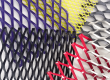
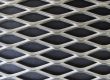
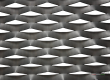
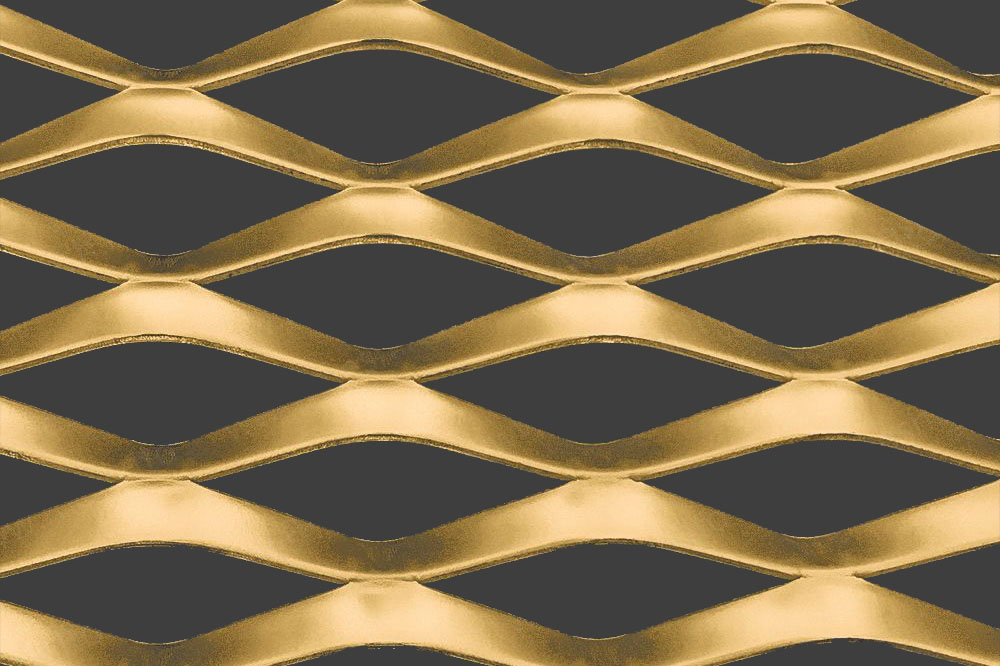
Brass Expanded Metal is manufactured by cutting and stretching a solid brass sheet into a continuous mesh pattern. Unlike woven wire mesh or perforated metal, expanded metal has no welded joints or separate woven wires. Instead, the entire sheet remains as one continuous piece of metal, giving it exceptional structural integrity.
The manufacturing process also makes expanded metal one of the most material-efficient metal mesh products available because very little material is discarded during production.
Depending on project requirements, brass expanded metal can be produced in different opening patterns, including:
- Diamond openings
- Hexagonal openings
- Decorative custom patterns
It is also available in two surface types:
- Raised Expanded Metal – Offers improved slip resistance and additional rigidity.
- Flattened Expanded Metal – Rolled after expansion to produce a smoother surface for decorative and fabrication applications.
Why Brass Expanded Metal Is Gaining Popularity
As architects, industrial designers, and equipment manufacturers seek materials that combine functionality with aesthetics, brass expanded metal has become an increasingly attractive option.
Compared with solid brass sheets, expanded brass mesh offers several practical advantages:
- Lower overall weight
- Better ventilation
- Improved light transmission
- Excellent decorative appearance
- Reduced material consumption
- Easier fabrication
At the same time, it retains the warm metallic color that has made brass one of the most desirable decorative metals for centuries.
Key Advantages of Brass Expanded Metal
Elegant Decorative Appearance
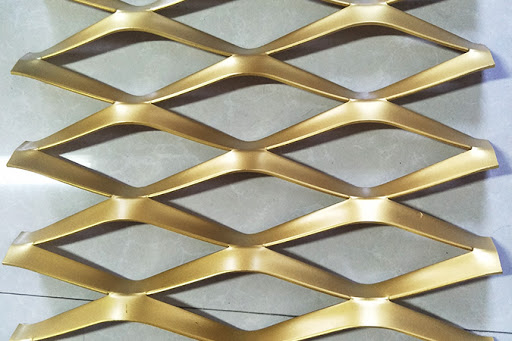
The distinctive expanded pattern creates depth, texture, and changing visual effects under different lighting conditions.
Whether installed as a wall panel, partition, ceiling, or cabinet insert, brass expanded metal provides an architectural appearance that cannot be achieved using flat metal sheets.
Its warm golden tone complements materials such as:
- Natural wood
- Marble
- Concrete
- Glass
- Stainless steel
making it suitable for both contemporary and classic interior designs.
Strong Yet Lightweight Structure
Because the mesh is formed from one continuous sheet, brass expanded metal maintains excellent structural strength while reducing overall weight.
This makes transportation, fabrication, and installation more efficient than many alternative decorative materials.
For large architectural panels, the reduced weight also lowers structural loading requirements.
Excellent Corrosion Resistance
Brass naturally offers good resistance to corrosion in indoor and many outdoor environments.
It also performs well against:
- Moisture
- Mild acids
- Mild alkalis
- Oxidation
This makes brass expanded metal suitable for decorative projects requiring long-term durability with minimal maintenance.
High Material Utilization
Unlike perforated metal, where punched material becomes scrap, expanded metal is manufactured by stretching rather than removing material.
This production process significantly improves material utilization while maintaining structural integrity.
For projects involving large quantities of decorative mesh, this manufacturing efficiency can contribute to lower production costs.
Excellent Airflow and Light Transmission
The open mesh structure allows the free passage of:
- Air
- Light
- Heat
- Sound
- Liquids
This combination of openness and strength makes brass expanded metal suitable for both industrial and architectural applications.
Common Applications of Brass Expanded Metal
One of the biggest reasons for the growing popularity of Brass Expanded Metal is its versatility across multiple industries.
Architectural Decoration
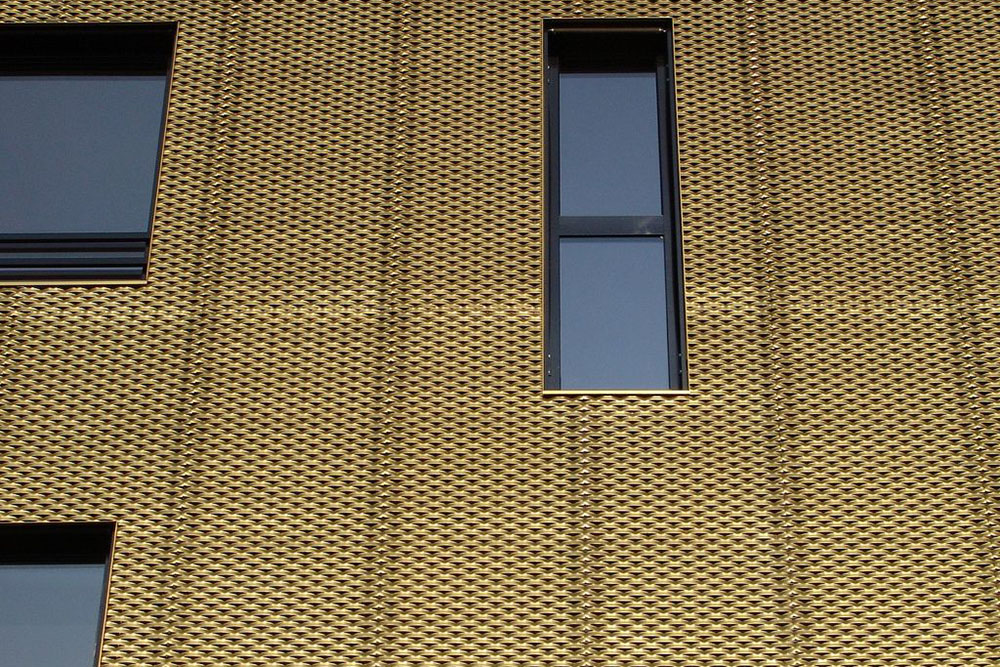
Architects frequently specify brass expanded metal to create elegant decorative elements while maintaining ventilation and transparency.
Common applications include:
- Interior partitions
- Decorative wall panels
- Ceiling systems
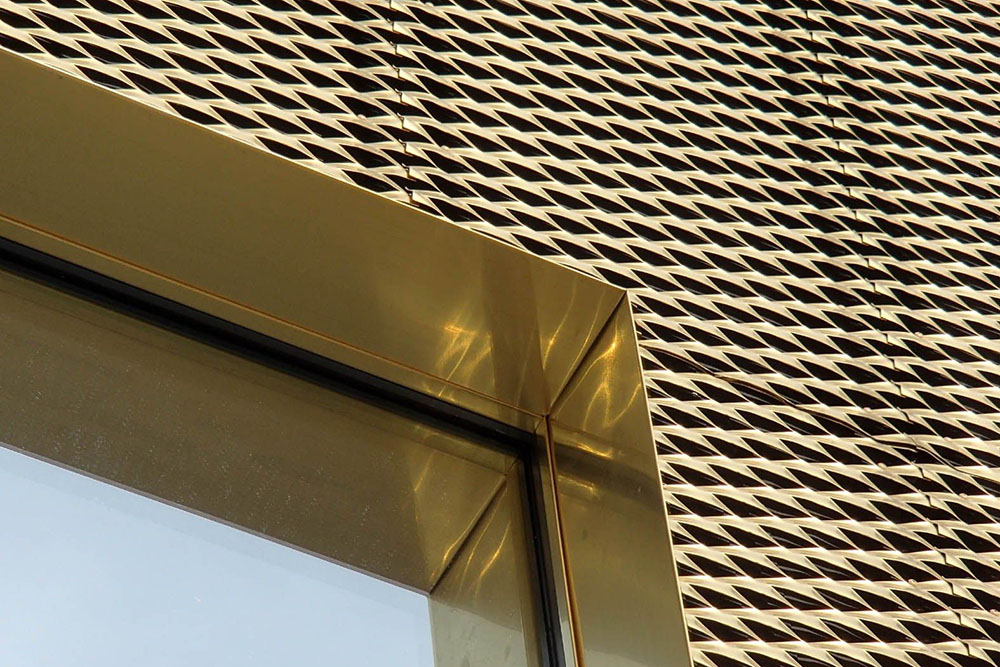
- Building façades
- Window screens
- Door inserts
- Retail displays
- Furniture decoration
The unique expanded pattern creates an attractive balance between privacy and openness.
Filtration Systems
Brass expanded metal is widely used in specialized filtration applications.
Typical industries include:
- Chemical processing
- Laboratory equipment
- Industrial filtration
- Electronic manufacturing
- Specialty processing equipment
Its rigid structure provides reliable support while allowing controlled flow of liquids or gases.
Ventilation Screens
Because of its excellent open area, brass expanded metal performs well in ventilation applications.
Typical uses include:
- Air vents
- HVAC covers
- Decorative ventilation panels
- Equipment ventilation
- Cabinet ventilation
The mesh provides airflow while maintaining an attractive appearance.
Machinery Protection
Industrial facilities frequently use expanded metal as protective guards for machinery and electrical equipment.
Its continuous structure offers excellent impact resistance while allowing operators to monitor equipment through the mesh.
Applications include:
- Machine guards
- Equipment enclosures
- Protective covers
- Electrical cabinets
Decorative Furniture
Furniture manufacturers increasingly incorporate brass expanded metal into premium products.
Popular applications include:
- Cabinet doors
- Display cabinets
- Wine cabinets
- Bookcases
- Luxury furniture panels
The brass finish adds warmth and sophistication while improving airflow inside enclosed furniture.
Raised vs. Flattened Brass Expanded Metal
Choosing the correct surface type is an important purchasing decision.
Raised Brass Expanded Metal
Raised expanded metal retains its original three-dimensional pattern after expansion.
Advantages include:
- Higher rigidity
- Better slip resistance
- Greater structural strength
It is commonly used for industrial applications and protective screens.
Flattened Brass Expanded Metal
Flattened expanded metal is cold rolled after expansion to produce a smooth surface.
Its benefits include:
- Improved appearance
- Easier fabrication
- Better panel flatness
- Cleaner architectural finish
For decorative applications, flattened brass expanded metal is generally the preferred choice.
How to Select the Right Brass Expanded Metal
Before placing an order, buyers should consider several technical factors.
Opening Pattern
The opening geometry affects both aesthetics and performance.
Common choices include:
- Diamond
- Hexagonal
- Decorative custom openings
Different patterns provide different levels of transparency, rigidity, and visual impact.
Material Thickness
Thicker sheets provide greater strength but also increase weight and cost.
The correct thickness depends on whether the mesh will be used for decorative, structural, or filtration purposes.
Surface Finish
Depending on the project, brass expanded metal may be supplied with:
- Natural brass finish
- Polished finish
- Antique brass appearance
- Protective coating
The selected finish influences both maintenance requirements and overall architectural style.
Recommended Brass Expanded Metal from HIGHTOP
If you’re sourcing Brass Expanded Metal for architectural, decorative, or industrial applications, choosing a manufacturer with reliable production capabilities is essential. HIGHTOP supplies expanded brass mesh in a wide range of specifications, supporting both standard products and fully customized solutions.
Our Brass Expanded Metal features:
- Material: High-quality brass sheet
- Opening Patterns: Diamond, hexagonal, and custom decorative designs
- Surface Types: Raised and flattened
- Processing: Cutting, stretching, custom fabrication
- Applications: Filtration, ventilation, decorative architecture, machinery protection, furniture, and electronic equipment
Learn more about our product here:
Whether you require standard mesh sheets or project-specific fabrication, HIGHTOP can manufacture products according to your drawings, dimensions, and performance requirements.
Why Choose HIGHTOP?
Selecting the right supplier means choosing more than competitive pricing. Manufacturing experience, technical capability, and customization support all influence the success of your project.
Professional Expanded Metal Manufacturing
HIGHTOP specializes in expanded metal production for industrial and architectural markets. Our manufacturing process ensures consistent opening sizes, precise dimensions, and reliable product quality.
We produce expanded metal in various materials, including:
- Brass
- Stainless Steel
- Aluminum
- Carbon Steel
- Galvanized Steel
This allows customers to select the most appropriate material based on application, environment, and budget.
Complete Customization
Every project has different design requirements.
HIGHTOP offers customization for:
- Opening pattern
- Mesh size
- Sheet thickness
- Panel dimensions
- Raised or flattened surface
- Fabricated components
- Surface treatment
Whether you are designing a decorative feature wall or manufacturing industrial equipment, our engineering team can recommend the most suitable solution.
Stable Quality and Efficient Production
Strict production control ensures every sheet maintains uniform mesh geometry and dimensional accuracy.
Our manufacturing capabilities support:
- Prototype development
- Small trial orders
- OEM production
- Bulk export orders
This flexibility helps distributors, contractors, and manufacturers manage projects of any scale.
Global Export Experience
HIGHTOP supplies expanded metal products to customers across numerous countries and industries.
With professional export packaging and responsive technical support, we help customers simplify international procurement while ensuring products arrive safely and on schedule.
Buying Guide for Brass Expanded Metal
Preparing complete technical information before requesting a quotation helps manufacturers recommend the correct specification and provide accurate pricing.
Recommended information includes:
- Application (decoration, filtration, ventilation, machinery protection, etc.)
- Opening pattern
- Raised or flattened type
- Material thickness
- Panel dimensions
- Quantity
- Surface finish requirements
- Drawings or CAD files (if available)
Providing these details early reduces communication time and helps accelerate production.
Frequently Asked Questions
What is Brass Expanded Metal used for?
Brass Expanded Metal is commonly used for architectural decoration, ventilation panels, filtration systems, machinery guards, cabinet inserts, furniture, retail displays, and specialty industrial equipment.
What is the difference between expanded metal and perforated metal?
Expanded metal is produced by cutting and stretching a metal sheet, creating a continuous mesh without material removal. Perforated metal is manufactured by punching holes through a sheet, producing individual openings and generating scrap material. Expanded metal generally offers better material utilization and structural continuity.
Should I choose raised or flattened expanded metal?
- Raised expanded metal provides greater rigidity and improved slip resistance, making it suitable for industrial applications.
- Flattened expanded metal offers a smoother surface and cleaner appearance, making it the preferred option for architectural decoration and furniture.
Is Brass Expanded Metal suitable for outdoor use?
Yes. Brass naturally provides good corrosion resistance and weatherability in many environments. However, over time, the surface may develop a natural patina, which many architects and designers consider part of its aesthetic appeal.
Can Brass Expanded Metal be customized?
Yes. Manufacturers can customize opening patterns, panel sizes, sheet thickness, surface finish, fabrication details, and other specifications according to project requirements.
Why buy directly from a manufacturer?
Purchasing directly from a manufacturer offers several advantages:
- Factory-direct pricing
- Greater customization flexibility
- Stable production quality
- Technical support
- Faster communication
- Reliable delivery
These benefits are especially valuable for distributors, OEM manufacturers, and large construction projects.
Get in Touch
Please Email us via the contact form below, we will get back to you ASAP.