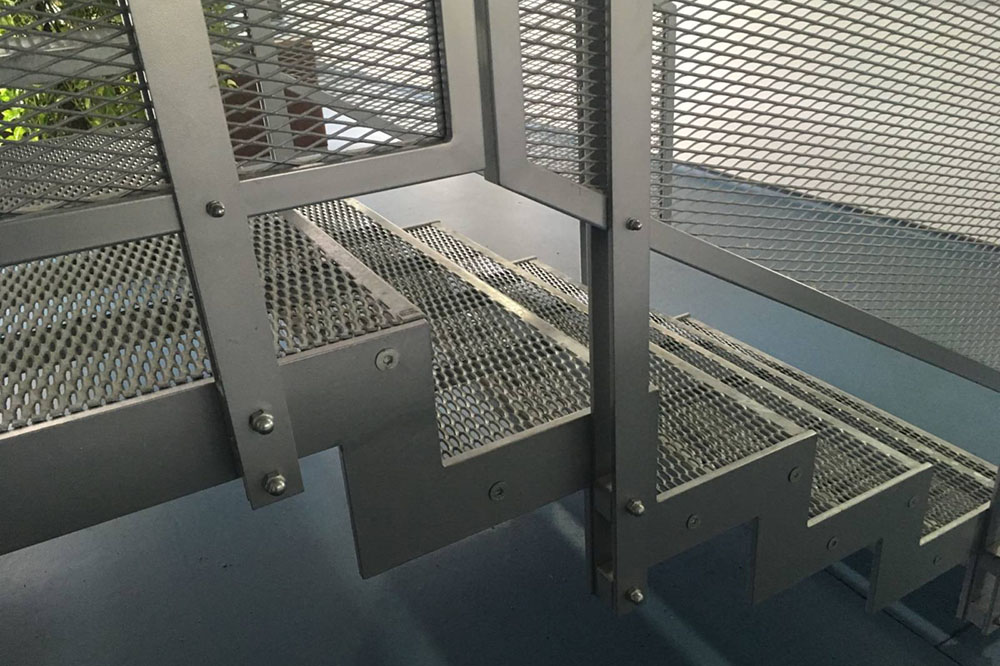
Expanded Metal Mesh Flooring is a highly versatile and durable material widely used in industrial, architectural, and commercial environments. Thanks to its unique manufacturing process and structural properties, it offers an excellent balance between strength, safety, and cost efficiency.
This article provides a clear overview of the product, its main application scenarios, the advantages it delivers in those environments, and why choosing the right supplier matters.
What Is Expanded Metal Mesh Flooring?
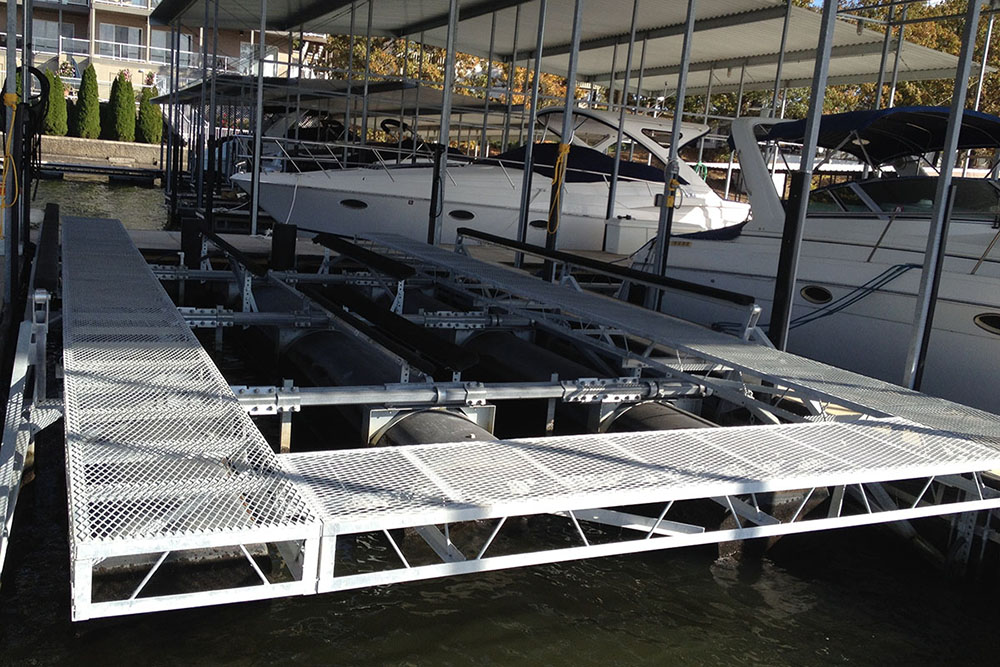
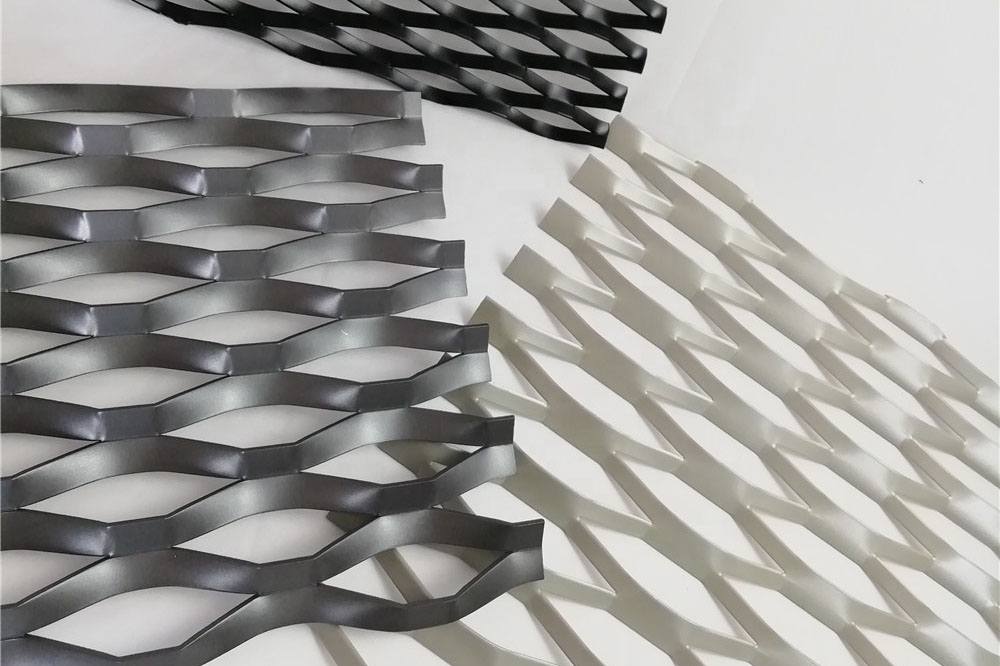
Expanded metal mesh flooring is produced by slitting and stretching a solid metal sheet into a mesh pattern. Unlike perforated sheets or welded wire mesh, this process does not remove material or create joints.
The result is a continuous, integrated structure with diamond-shaped openings.
Key Characteristics:
- One-piece construction (no welding points)
- Uniform mesh pattern
- High strength-to-weight ratio
- Available in raised or flattened surfaces
Common Materials:
- Galvanized steel
- Stainless steel (304 / 316)
- Carbon steel
- Aluminum
This combination of structure and material flexibility makes expanded metal flooring suitable for a wide range of environments.
Application Scenarios
Expanded metal mesh flooring is used across multiple industries due to its adaptability and performance:
1. Industrial Platforms and Walkways
Used in factories, warehouses, and processing plants for:
- Maintenance walkways
- Equipment platforms
- Catwalk systems
2. Construction and Building Infrastructure
Applied in:
- Stair treads
- Mezzanine floors
- Temporary construction flooring
3. Energy and Heavy Industry
Common in:
- Power plants
- Oil & gas facilities
- Mining operations
4. Municipal and Environmental Systems
Used for:
- Wastewater treatment platforms
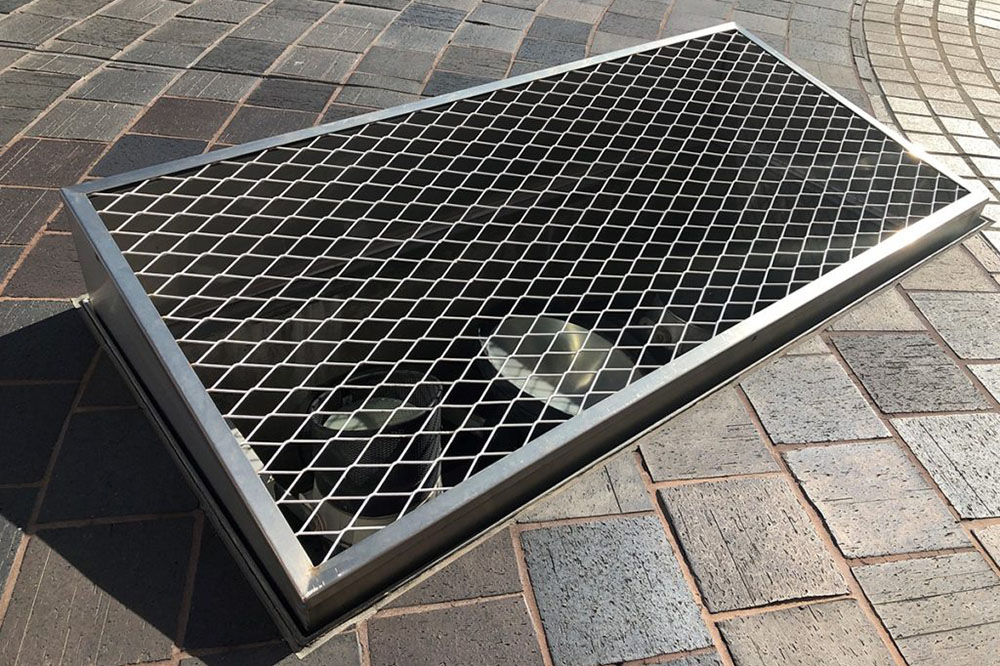
- Drainage covers
- Inspection walkways
5. Architectural and Commercial Spaces
Also popular in:
- Facade walkways
- Parking structures
- Decorative yet functional flooring systems
Advantages in These Applications
1. Anti-Slip Safety Performance
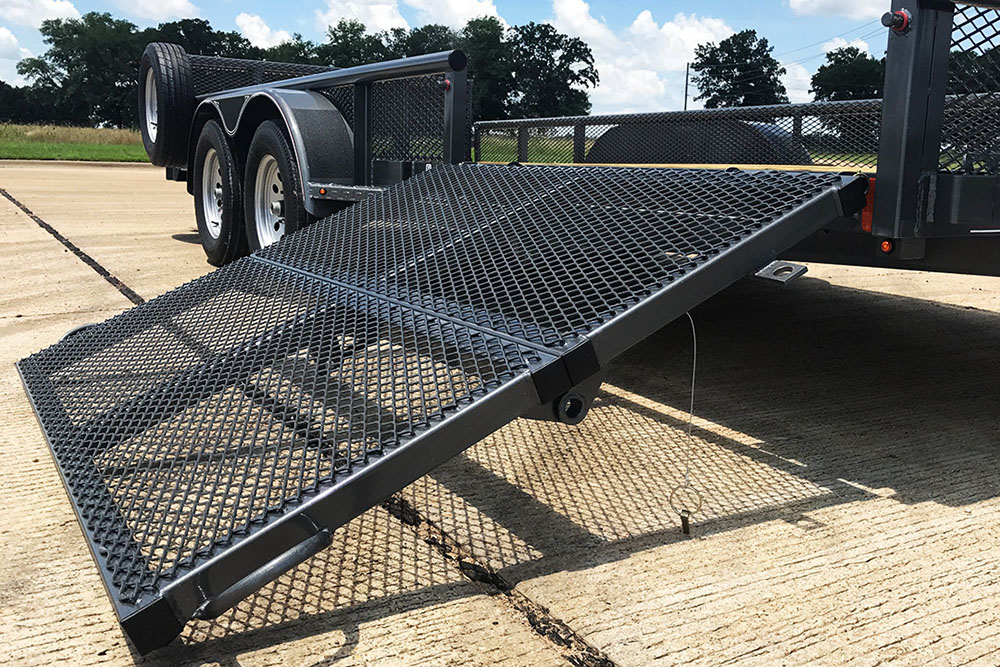
In industrial and outdoor environments, safety is critical. The raised surface of expanded metal mesh provides:
- Natural traction without additional treatment
- Reduced risk of slipping in wet, oily, or dusty conditions
2. Excellent Drainage and Ventilation
The open mesh structure allows:
- Water, oil, and debris to pass through
- Continuous airflow
This is especially important in environments exposed to moisture or contaminants.
3. High Strength with Lower Weight
Compared to solid plates:
- Reduced material weight lowers structural load
- Maintains sufficient load-bearing capacity for most applications
This makes it ideal for elevated platforms and retrofitting projects.
4. Durability and Structural Integrity
Because it is formed from a single sheet:
- No weld failure risks
- Better resistance to vibration and repeated loading
- Longer service life
5. Cost Efficiency
Expanded metal flooring provides:
- Lower raw material consumption
- Simplified manufacturing process
- Reduced installation costs
For large-scale projects, this translates into significant savings.
6. Low Maintenance Requirements
Its structure minimizes:
- Debris accumulation
- Corrosion-prone connection points
Resulting in lower long-term maintenance costs.
Why Choose HIGHTOP as Your Supplier
When selecting expanded metal mesh flooring for industrial or commercial use, supplier capability is as important as product quality.
HIGHTOP offers several key advantages:
1. Strong Manufacturing Capability
- Advanced production equipment
- Strict quality control systems
- Consistent product standards
2. Customization Support
HIGHTOP provides tailored solutions based on project requirements:
- Mesh size (SWD / LWD)
- Thickness and strand width
- Material selection
- Surface type (raised or flattened)
3. Project Experience
With extensive experience in international projects, HIGHTOP understands:
- Different industry standards
- Export requirements
- On-site application needs
4. Reliable Delivery and Service
- Stable production capacity
- Professional packaging and logistics
- Technical support throughout the project lifecycle
FAQ
1. What is expanded metal mesh flooring?
Expanded metal mesh flooring is a metal sheet that has been cut and stretched into a mesh pattern, forming a continuous structure without welding or material loss.
2. Is expanded metal flooring strong enough for industrial use?
Yes. It offers a high strength-to-weight ratio and is suitable for most industrial platforms, walkways, and flooring applications when properly specified.
3. What is the difference between raised and flattened expanded metal?
- Raised expanded metal has a textured surface, providing better slip resistance
- Flattened expanded metal is rolled smooth, making it more suitable for walking or equipment use
4. Does expanded metal flooring require additional anti-slip treatment?
In most cases, no. The natural surface of raised expanded metal already provides excellent anti-slip performance.
5. What materials are best for outdoor or corrosive environments?
- Galvanized steel is suitable for general outdoor use
- Stainless steel (especially 316) is recommended for highly corrosive environments
6. Can expanded metal mesh flooring be customized?
Yes. It can be customized in terms of material, thickness, mesh size, and surface type to meet specific project requirements.
7. How does expanded metal compare to traditional grating?
Expanded metal is generally more cost-effective and lightweight, while still providing good strength and safety. However, for extremely heavy loads, bar grating may be preferred.
If you are sourcing expanded metal mesh flooring for your next project, focusing on the right specifications and choosing a reliable supplier like HIGHTOP will ensure long-term performance and cost efficiency.
Get in Touch
Please Email us via the contact form below, we will get back to you ASAP.